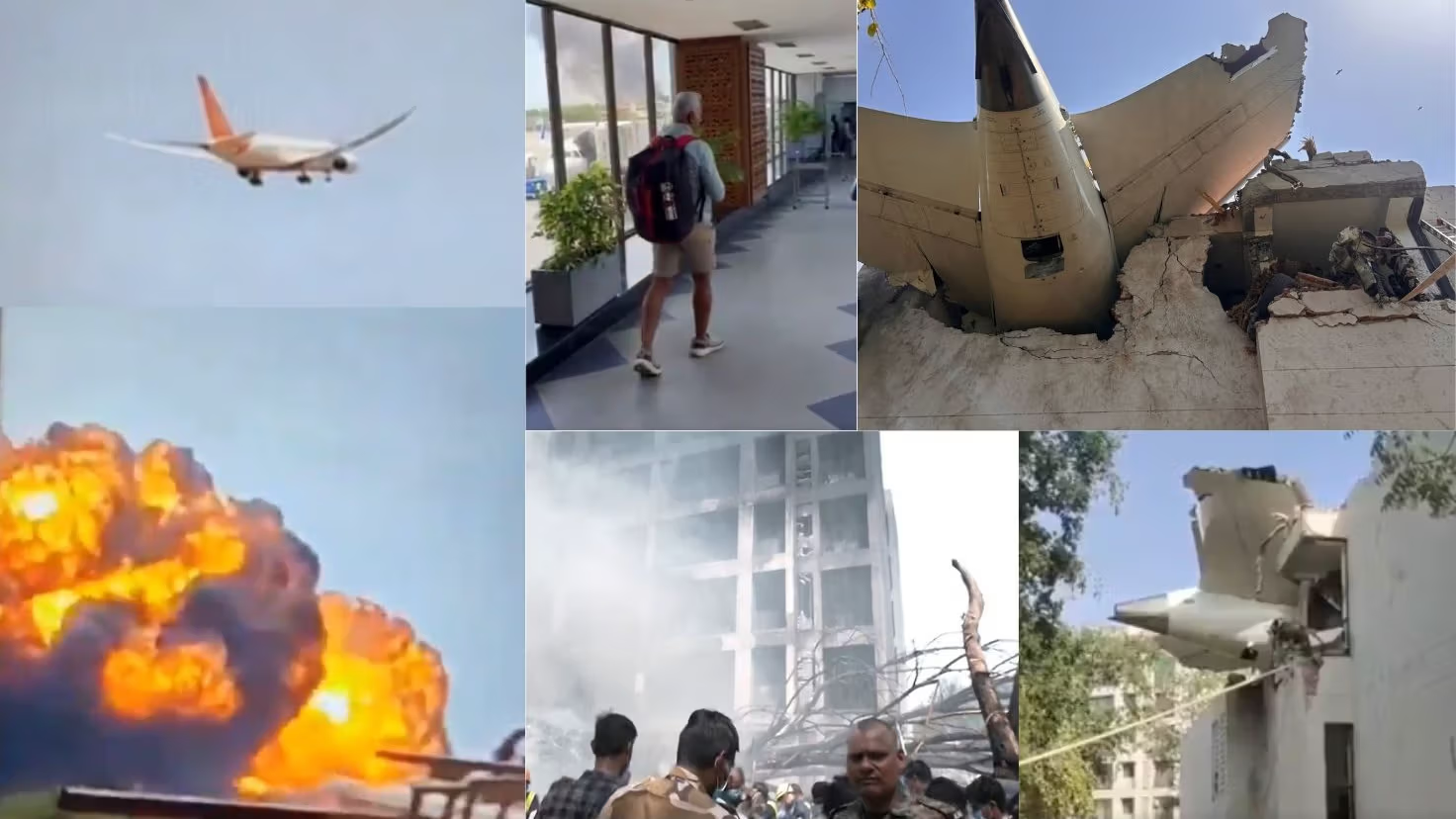
Investigators probing the tragic crash of Air India Flight AI171 in Ahmedabad are zeroing in on a critical clue: the deployment of the Ram Air Turbine (RAT) just seconds after takeoff. The emergency device, designed to activate only during catastrophic power loss, suggests a dual engine failure may have occurred, leading to the deaths of over 270 people on June 12. The Boeing 787 Dreamliner reportedly used the full 3.5-kilometre runway before liftoff—longer than usual—yet showed no signs of trouble until moments after takeoff. Enhanced video footage and cockpit audio reveal the RAT’s high-pitched whine, confirming its activation. Experts explain that the RAT, a small propeller-like turbine, deploys automatically when both engines fail or when there’s a total electrical or hydraulic system collapse, providing just enough power to control the aircraft. Aviation analysts, including Captain Steve Scheibner, believe the RAT’s deployment is visual and audible proof of a catastrophic systems failure. The aircraft’s rapid descent and lack of fire or explosion before impact further support this theory. The final cockpit transmission—“Thrust not achieved… falling… Mayday!”—adds to the growing evidence of a sudden and total loss of engine power. Authorities are now examining whether fuel contamination, bird strike, or mechanical failure triggered the dual engine shutdown. The aircraft’s black box data will be crucial in confirming the sequence of events.
RAT Deployment Signals Dual Engine Failure in Air India AI171 Crash, Say Experts