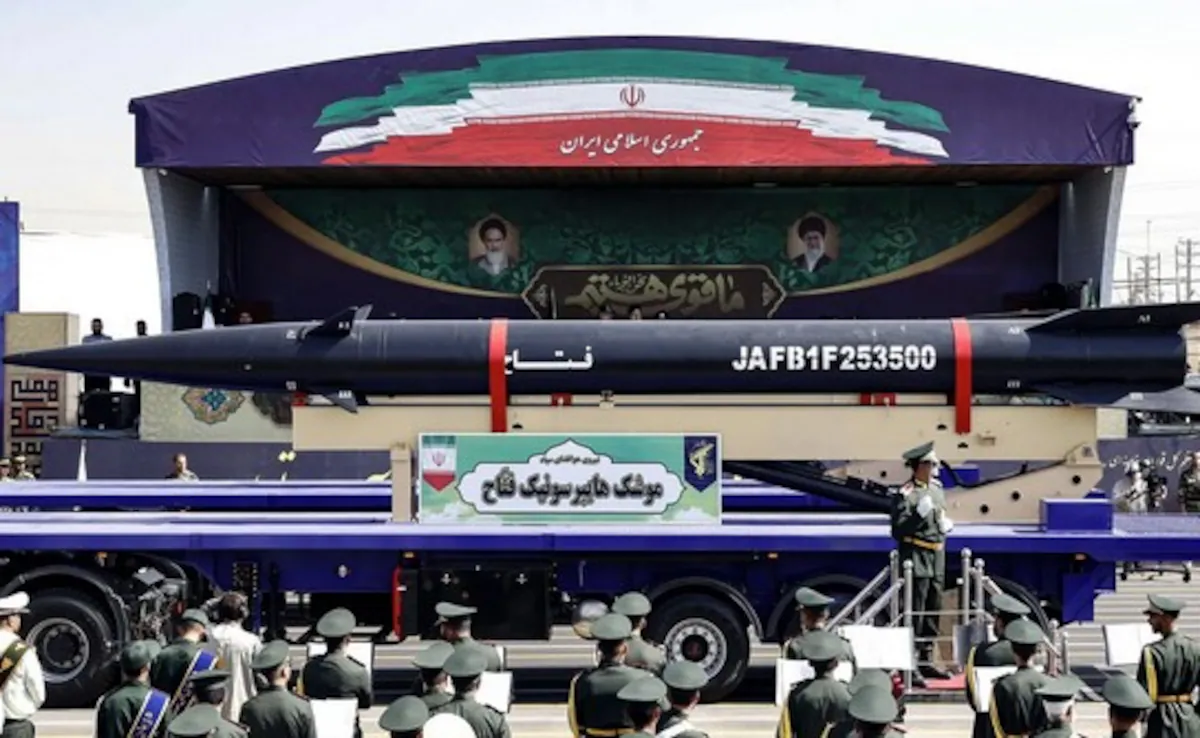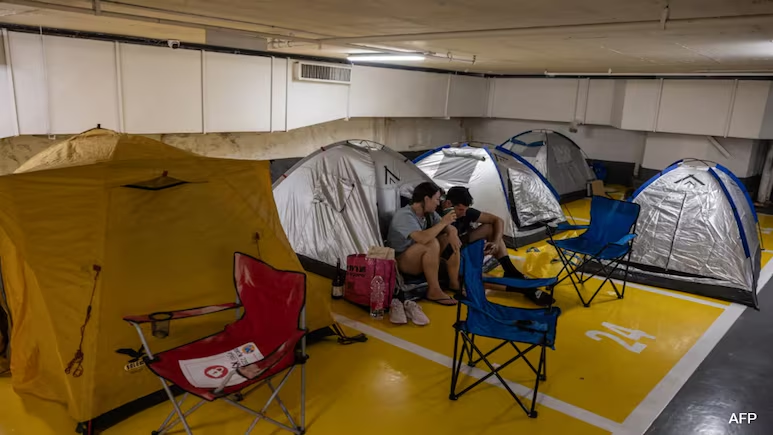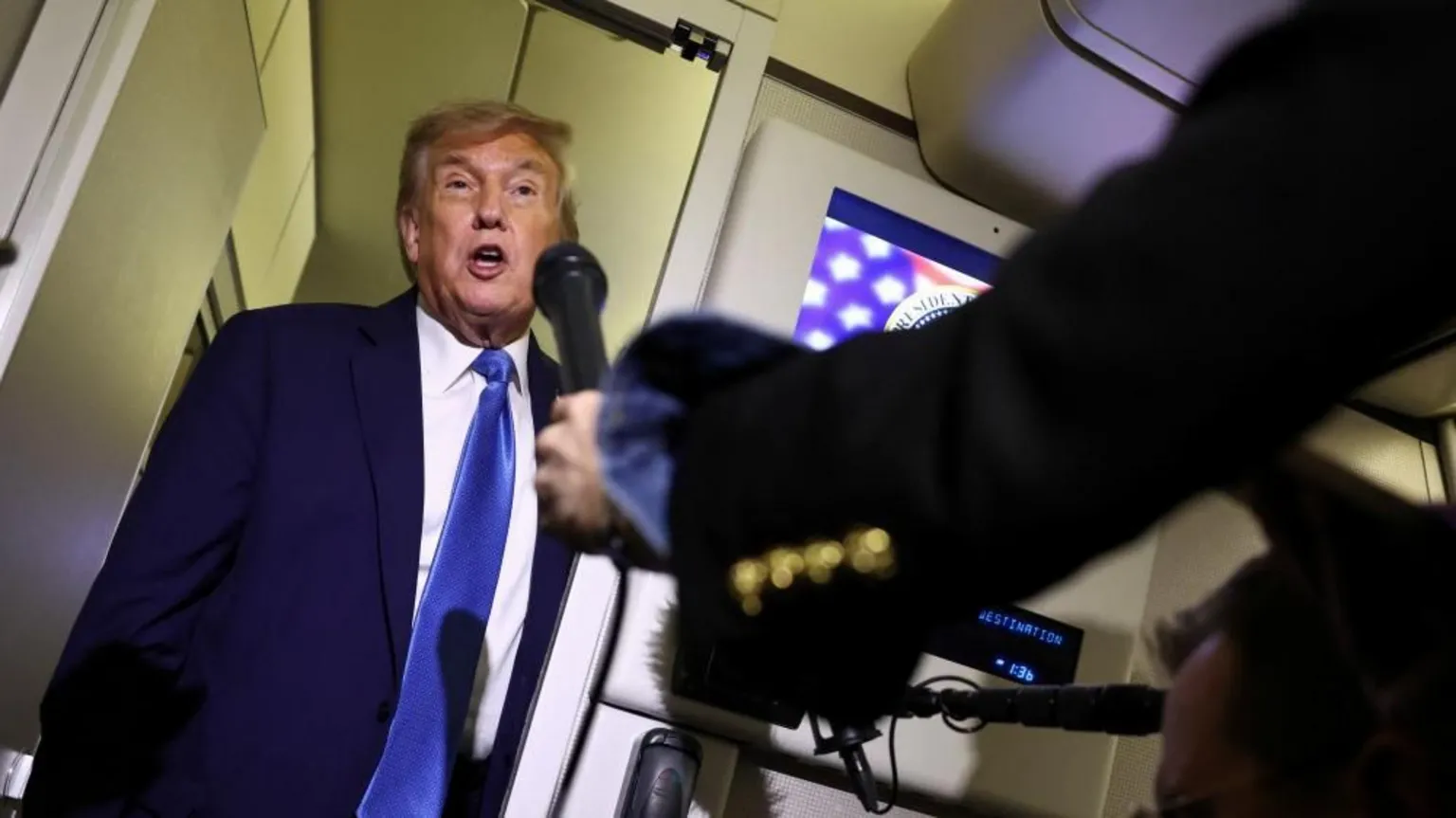
U.S. President Donald Trump is deliberating on whether to involve American forces in Israel’s ongoing military operations targeting Iran’s nuclear infrastructure. The conflict, now in its sixth day, has seen escalating tensions and rhetoric from all parties involved. According to CBS News, President Trump convened with his national security team on Tuesday to assess potential courses of action. Among the options discussed is the deployment of advanced U.S. weaponry, such as the GBU-57 Massive Ordnance Penetrator, to strike Iran’s fortified underground nuclear facility at Fordo. While Trump has previously advocated for de-escalation and diplomatic solutions regarding Iran’s nuclear ambitions, his recent statements suggest a shift towards a more aggressive stance. He has demanded Iran’s “unconditional surrender” and warned of severe consequences should Iran continue its nuclear activities. In a recent development amid escalating tensions between the United States and Iran, President Donald Trump issued a stern warning to Iranian Supreme Leader Ayatollah Ali Khamenei. Through a social media post, Trump stated that the U.S. is aware of Khamenei’s whereabouts, referring to him as an “easy target,” but clarified that there are no immediate plans to take action against him. He emphasized, however, that continued aggression from Iran could test the limits of U.S. patience.This statement comes in the context of heightened hostilities following Israel’s military actions targeting Iranian nuclear facilities. The U.S. has expressed support for Israel’s stance, with Trump demanding Iran’s “unconditional surrender” concerning its nuclear ambitions. While the U.S. has not officially joined the conflict, discussions are ongoing about potential military involvement, including possible strikes on Iranian nuclear sites.The United States has maintained that Iran must cease its uranium enrichment activities to prevent the development of nuclear weapons, while Iran asserts that its nuclear program is solely for peaceful purposes. In 2018, President Donald Trump withdrew the U.S. from the Joint Comprehensive Plan of Action (JCPOA), a multilateral agreement aimed at limiting Iran’s nuclear capabilities. Since returning to office, Trump has dispatched negotiators to forge a new agreement with Iran, but these efforts have not yielded a breakthrough.Recently, President Trump has expressed diminished interest in traditional diplomacy. On Tuesday, while returning to the U.S. from a G7 summit in Canada, he stated he was “not too much in the mood to negotiate with Iran” investopedia.com. This shift in tone suggests a potential escalation in U.S. involvement in the ongoing conflict. Professor Amnon Aran, an expert in Israeli foreign policy, noted that the U.S. is “definitely the closest we have been” to entering the conflict since its inception .In summary, the U.S. continues to demand that Iran halt its uranium enrichment to prevent nuclear weapon development, while Iran maintains its program is for peaceful purposes. Diplomatic efforts have stalled, and recent statements from President Trump indicate a hardening stance, raising concerns about increased U.S. involvement in the conflict.US Defence Secretary Pete Hegseth earlier announced the “deployment of additional capabilities” to the Middle East to enhance the Pentagon’s “defensive posture”, despite US officials’ denial at the time that they were joining the military action.At least 30 US military planes have been moved from bases in America to Europe over the past three days, flight tracking data reviewed by BBC Verify has shown.It was unclear whether the US movements were directly connected to the Israel-Iran conflict, but one expert said the tanker aircraft flights were “highly unusual”.Signing up to Israeli military action does not have full agreement from Trump’s closest advisers, CBS reported. But the dissenting voices have not gone public.There are also a wide range of views within Trump’s supporter base. The Republican ran for re-election on the basis that he would disentangle America from conflicts overseas, and he has previously criticised US intervention in the Middle East.Within the U.S. administration, there appears to be a range of opinions regarding involvement in Israeli military actions. While some of President Trump’s advisers support a more assertive stance, others have expressed reservations, though dissenting voices have not gone public . This internal debate reflects the broader discourse on America’s role in overseas conflicts, especially given President Trump’s previous commitments to reduce U.S. military engagements abroad.The situation remains fluid, with the U.S. enhancing its military readiness in the region while navigating complex geopolitical considerations.