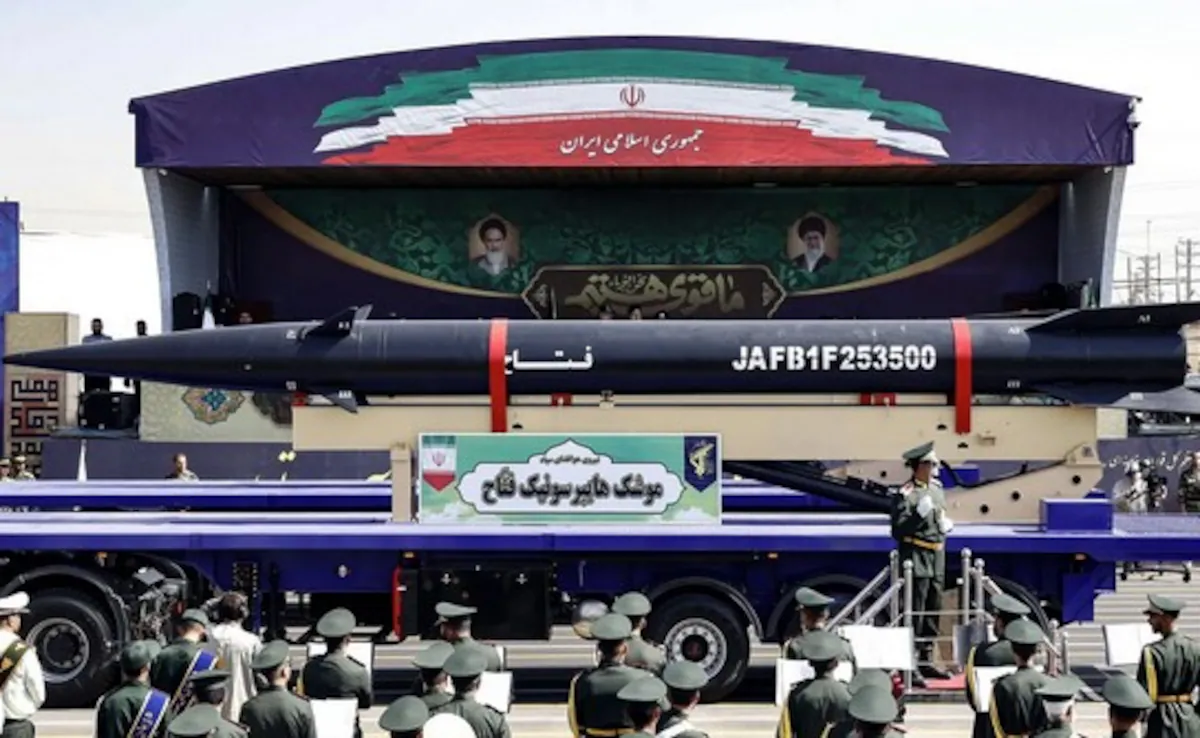
On June 13, 2025, Israel initiated “Operation Rising Lion,” a large-scale military campaign targeting Iran’s nuclear infrastructure and key military figures. The operation aimed to impede Tehran’s nuclear ambitions and neutralize high-ranking officials. According to reports, the campaign resulted in the deaths of at least 224 Iranians, including top commanders, intelligence leaders, and up to 14 nuclear scientists.The strikes focused on critical sites such as the Natanz and Isfahan nuclear facilities, as well as command centers in Tehran. Among the high-profile casualties were Islamic Revolutionary Guard Corps (IRGC) commander Hossein Salami, Chief of Staff Mohammad Bagheri, and nuclear scientist Fereydoon Abbasi. In retaliation, Iran launched missile attacks targeting Israeli cities, including Tel Aviv and Haifa, leading to civilian casualties and infrastructure damage. The conflict has escalated into a significant aerial confrontation, raising concerns over regional stability and prompting international calls for de-escalation.As the missile attacks persist, confidence in Israel’s renowned missile defense system is facing unprecedented challenges. While the Iron Dome previously maintained a 90% interception rate against rockets from Gaza, Iranian missiles have proven more advanced, featuring heavier warheads and deeper penetration capabilities. Several have breached the defenses, directly impacting residential neighborhoods and reportedly leading over 2,700 Israelis to evacuate their homes.“Each time, it’s like a new extreme, with everything even more uncertain, seeming even farther away from ending,” said Idan Tal Mor, a 37-year-old theatre teacher from Tel Aviv. He fled to a basement shelter as sirens wailed, then returned to find his apartment windows blown out. “I don’t know if my neighbors survived,” he said. He has now relocated to his parent’s home in Hadera.The recent escalation has seen Iran launching over 400 ballistic missiles and hundreds of drones toward Israel, challenging the effectiveness of Israel’s multi-layered defense systems, including the Iron Dome, David’s Sling, and the Arrow systems. While many threats have been intercepted, the sheer volume and sophistication of the attacks have led to some missiles penetrating defenses, causing casualties and infrastructure damage in cities like Tel Aviv and Haifa.In response to these challenges, Israel is accelerating the development of advanced defense technologies, such as the laser-based Iron Beam system, aiming to enhance interception capabilities and reduce operational costs.The ongoing conflict underscores the evolving nature of modern warfare and the continuous need for advancements in defense systems to protect civilian populations amidst escalating threats.
In War Against Iran, Israelis Face Challenges They Were Never Familiar With