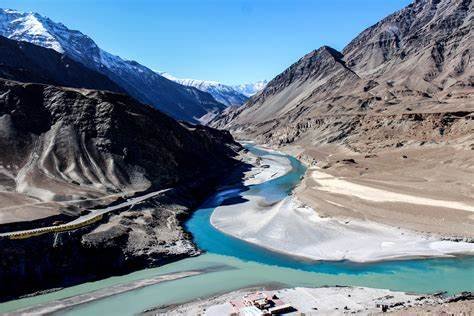
Pakistan is grappling with a deepening agricultural crisis as water flow from India through the Indus River system to Sindh province dropped by 16.87% compared to the same period last year. The reduction follows India’s suspension of the Indus Waters Treaty, a move triggered by the April 22 Pahalgam terror attack that claimed 26 lives. According to Pakistan’s Indus River System Authority (IRSA), Sindh received 1.33 lakh cusecs of water on June 16, down from 1.6 lakh cusecs the previous year. Punjab province also saw a 2.25% decline in water supply. The shortage has severely impacted Kharif crop sowing, with farmers reporting delays and fears of reduced yields as the monsoon remains weeks away. The crisis is compounded by India halting the sharing of river-level data, raising concerns over flood preparedness in downstream regions. The suspension of the 1960 treaty—brokered by the World Bank—marks a significant shift in Indo-Pak relations, with Islamabad urging for its reinstatement. Meanwhile, Pakistan’s major reservoirs, Tarbela and Mangla, have reached dead storage levels, further limiting irrigation capacity. The country’s agricultural GDP has already dipped, and experts warn the situation could worsen without immediate diplomatic and environmental interventions
India’s Indus Water Cut Hits Pakistan’s Sindh Hard; Kharif Crop Sowing Falters Amid 17% Drop